
Introduction
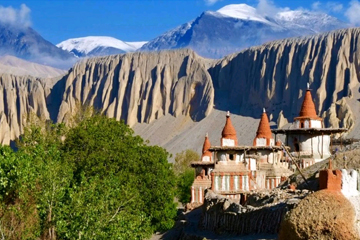
Upper Mustang, also known as the Kingdom of Lo, is a remote and culturally significant region located in the northern part of Nepal. Moreover, its history is deeply intertwined with the history of the Mustang Kingdom, which was an independent kingdom for several centuries before being integrated into Nepal in the late 18th century. Additionally, it is important to note that Upper Mustang has retained its distinct cultural identity despite the integration. Furthermore, its unique traditions and customs have been preserved through generations. However, in recent years, the region has seen increased interest from tourists and researchers alike. Nevertheless, strict regulations on tourism have been put in place to protect the delicate ecosystem and preserve the cultural heritage. In conclusion, Upper Mustang remains a captivating destination for those seeking a glimpse into the ancient history and traditions of the region. Let’s explore the history of Upper Mustang.
Ancient Period:
The history of Upper Mustang can be traced back to ancient times. The region was once part of the ancient Kingdom of Lo, which emerged as a powerful state along the trade routes between Tibet and India. The Kingdom of Lo maintained close ties with Tibet and played a crucial role in facilitating trade between the two regions.
Kingdom of Lo:
The Kingdom of Lo, with its capital at Lo Manthang, was established in the 14th century by Ame Pal, who was a local warlord and part of the Tibetan Sakya sect. Over the centuries, the kingdom flourished and became an important center of trade, culture, and religion. It maintained its independence, even as neighboring territories were gradually absorbed by larger powers.
Tibetan Influence:
Due to its geographical proximity, Upper Mustang was heavily influenced by Tibetan culture, religion, and politics. The Tibetan Buddhism of the Gelugpa sect, headed by the Dalai Lama, became the predominant religion in the region. Many monasteries were established, and Buddhism played a crucial role in shaping the cultural and religious practices of the people.
Integration into Nepal:
In the late 18th century, the Kingdom of Lo came under the influence of the Gorkha Kingdom, which was expanding its territories in the region. After a series of conflicts and negotiations, the king of Lo recognized the sovereignty of Nepal and agreed to pay tribute to the ruling Gorkha king. As a result, Upper Mustang became a part of Nepal.
Restricted Region:
Upper Mustang was a restricted region until 1992, limiting the number of visitors and preserving its unique cultural heritage. The region’s isolation helped in maintaining its distinct traditions, architecture, and lifestyle. Resulting in making it a valuable repository of Tibetan Buddhist culture.
Opening for Tourism:
In 1992, Upper Mustang was officially opened for tourism, but with limited access. Visitors require a special permit to enter the region. It helps in preserving its fragile ecosystem and maintaining its cultural integrity. The controlled tourism has allowed outsiders to explore the ancient monasteries, cave dwellings, and unique landscapes. It helps in minimizing the impact on the local culture.
Today, Upper Mustang stands as a fascinating destination for travelers seeking an authentic experience of Tibetan Buddhist culture and a glimpse into the ancient Kingdom of Lo. The region’s rich history, stunning landscapes, and well-preserved cultural heritage continue to captivate visitors from around the world.

Comments