
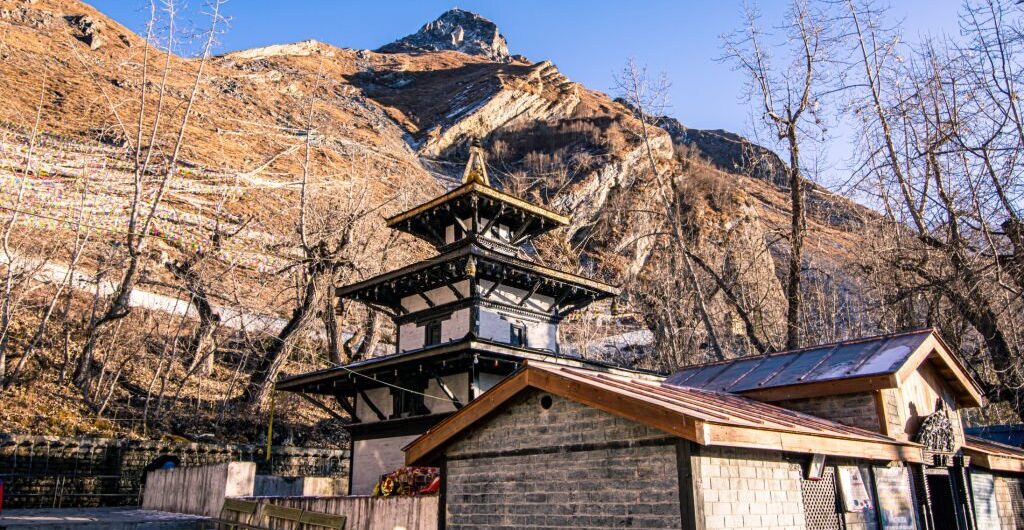
Nepal, a land of diverse landscapes and rich cultural heritage, is home to numerous sacred sites that draw pilgrims and travelers alike. Among these, the Muktinath Temple stands as a prominent spiritual destination, nestled in the breathtaking Kali Gandaki Valley. This blog takes you on a virtual journey to Muktinath Temple, offering insights into its significance, the trek to reach it, and the spiritual experiences it offers.
Introduction to Muktinath Temple:
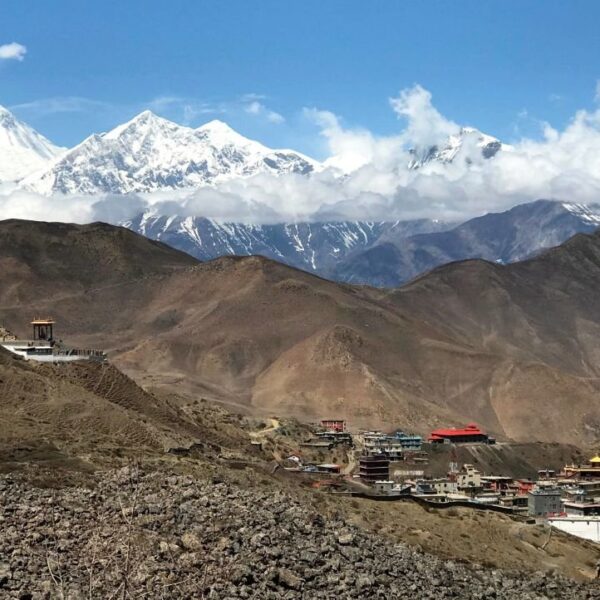
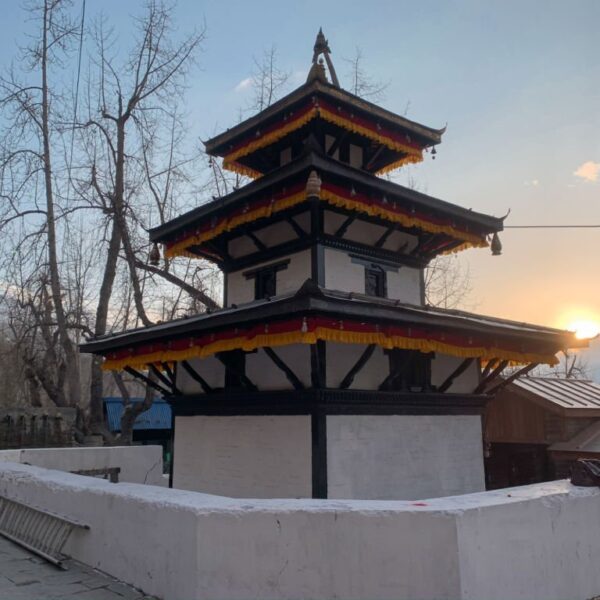
Muktinath Temple, also known as Mukti Kshetra, holds immense religious importance for both Hindus and Buddhists. Situated at an altitude of 3,710 meters (12,172 feet) in Mustang, it’s a place of spiritual liberation and cleansing. The temple complex houses a stunning combination of Hindu and Buddhist shrines, reflecting the harmonious coexistence of these two faiths.
The Journey to Muktinath:
The journey to Muktinath is as much about the physical trek as it is about the inner spiritual exploration. The traditional route starts with a flight or drive to Jomsom, a picturesque town in the Annapurna region. From Jomsom, trekkers embark on a scenic trek along the Kali Gandaki River. The trail leads through picturesque villages, terraced fields, and dramatic landscapes, creating an immersive experience of rural Nepal.
As trekkers ascend, they cross the iconic Thorong La Pass (5,416 meters/17,769 feet), a challenging but rewarding part of the journey. The pass offers breathtaking panoramic views of the surrounding Himalayan peaks, a sight that rejuvenates the body and soul.
Spiritual Significance:
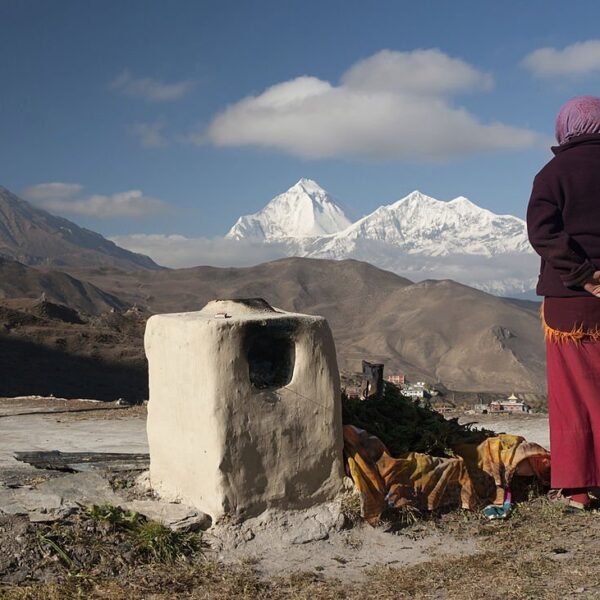
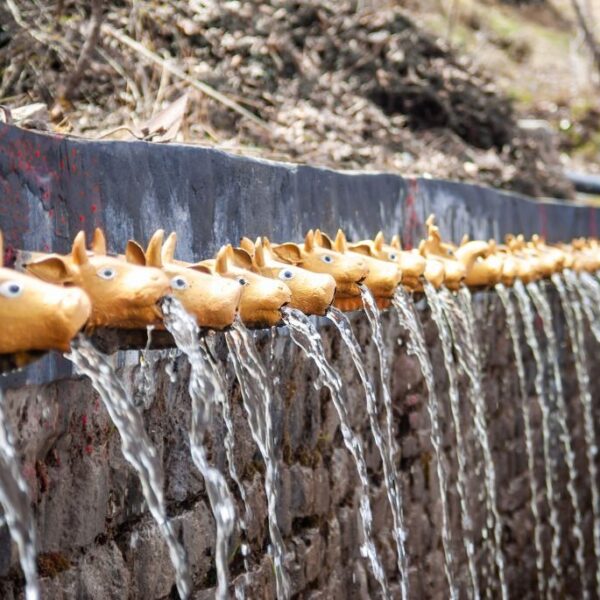
For Hindus, Muktinath is one of the “Muktikshetras,” or places of salvation, where they believe visiting and taking a ritual bath in the 108 sacred water spouts will cleanse them of worldly sins. The temple houses a natural eternal flame alongside the holy water sources, symbolizing the elements of fire and water.
Buddhists revere Muktinath as the place where the great sage Guru Rinpoche, also known as Padmasambhava, attained enlightenment. The temple features an intricately crafted image of the Buddha that is a marvel to behold.
Cultural Immersion:
One of the remarkable aspects of the journey to Muktinath is the opportunity to interact with the local Thakali and Gurung communities. Trekkers are often welcomed into traditional teahouses and lodges, offering a glimpse into the region’s unique culture and way of life. The warm hospitality and authentic local cuisine add to the overall experience.
Tips for Travelers:
- Physical Preparation: The journey involves high-altitude trekking, so physical fitness and acclimatization are crucial. Prior trekking experience can be beneficial.
- Permits: Ensure you have the necessary permits, such as the Annapurna Conservation Area Permit (ACAP) and the TIMS (Trekkers’ Information Management System) card.
- Appropriate Attire: Dress modestly while visiting the temple complex. Removing footwear and head coverings is customary within the temple premises.
- Accommodation: Teahouses and lodges are available along the trekking route. Make advance bookings during peak trekking seasons.
- Cultural Sensitivity: Respect local customs and traditions. Ask for permission before taking photographs of people.
In Conclusion:
The journey to Muktinath Temple is not just a physical trek; it’s a transformative experience that offers spiritual growth, breathtaking vistas, and cultural immersion. Whether you’re a devoted pilgrim seeking salvation or a curious traveler exploring Nepal’s rich heritage, Muktinath Temple promises a journey of discovery, connection, and transcendence. Embark on this sacred adventure and find solace amidst the Himalayan wonders.

Comments