
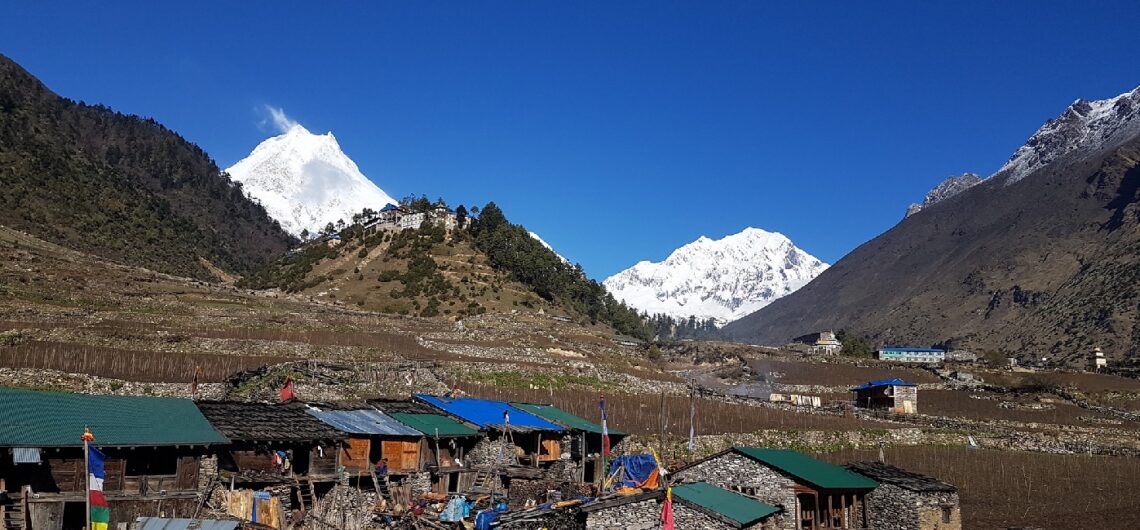
Trekking the Manaslu Circuit is a challenging and rewarding adventure. It’s important to prepare yourself physically and mentally before embarking on this trek. Here’s a sample training plan to help you get ready for the Manaslu Circuit trek:
- Start Early: Ideally, begin your training at least 2-3 months before your trek to allow ample time for conditioning and improving your fitness level.
- Cardiovascular Training: Focus on activities that improve your cardiovascular endurance, such as jogging, running, cycling, swimming, or using an elliptical machine. Aim for at least 3-4 sessions per week, gradually increasing the duration and intensity of your workouts.
- Strength Training: Trekking in the Manaslu region requires strong leg muscles and core stability. Incorporate strength training exercises like squats, lunges, step-ups, and planks into your routine. Include 2-3 strength training sessions per week, focusing on different muscle groups each day.
- Hiking and Stair Climbing: As the Manaslu Circuit involves long days of trekking and steep ascents/descents, simulate those conditions by incorporating regular hikes and stair climbing into your training. Gradually increase the duration and difficulty of these sessions to build your endurance and get your body accustomed to the demands of the trek.
- Endurance Training: Plan at least one long hike per week to build endurance. Start with shorter distances and gradually increase the duration and difficulty over time. Aim to simulate the trekking conditions as closely as possible, including wearing a backpack with a weight similar to what you plan to carry during the trek.
- Altitude Acclimatization: Since the Manaslu Circuit reaches high altitudes, it’s important to acclimatize properly. If possible, incorporate training hikes at higher elevations to help your body adjust. If you don’t have access to high-altitude locations, focus on strengthening your cardiovascular fitness and improving your overall endurance.
- Mental Preparation: Trekking in remote areas requires mental resilience. Practice mindfulness, meditation, or other techniques to help you stay focused, positive, and motivated during the trek. Research and familiarize yourself with the route, climate, and potential challenges to mentally prepare yourself.
- Gear Familiarization: As part of your training, use the same equipment and gear you plan to take on the trek. Familiarize yourself with your backpack, trekking boots, clothing, and other essential items to ensure they fit well and are comfortable to use during long hours of trekking.
- Rest and Recovery: Don’t forget to include rest days in your training plan. Rest and recovery are crucial for muscle repair and overall fitness improvement. Listen to your body, and if you experience any pain or discomfort, take appropriate rest or seek medical advice if necessary.
Remember, this training plan is just a general guideline. Adjust it according to your fitness level, time availability, and any specific recommendations from your healthcare provider. It’s also a good idea to consult a professional trainer or trekking guide for personalized advice based on your individual needs and goals.

Comments