
Introduction:
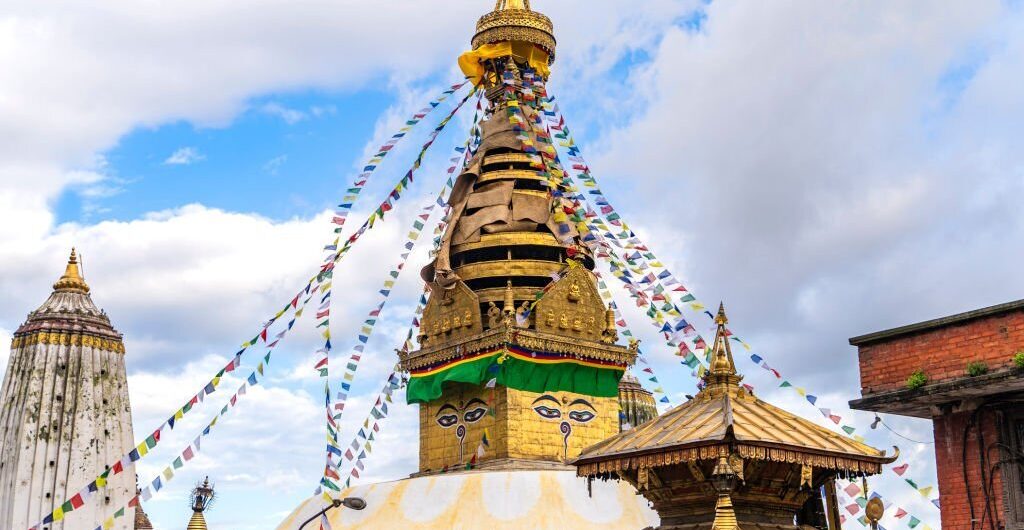
Nestled atop a hill in the Kathmandu Valley of Nepal, Swyambhunath Temple, also known as the “Monkey Temple,” stands as an ancient testament to spirituality, history, and cultural significance. This iconic stupa holds a special place in the hearts of both locals and visitors, exuding an aura of mystique that beckons explorers from around the world. Join us on a virtual journey as we delve into the enchanting story of Swyambhunath Temple and uncover the treasures it holds.
A Glimpse into History:
With origins dating back over two millennia, Swyambhunath Temple is one of the oldest and most revered religious sites in Nepal. Legend has it that the Kathmandu Valley was once a lake, and a lotus blossom emerged from the water at the site where Swyambhunath now stands. The stupa itself is said to have been constructed by King Manadeva during the 5th century AD, but its roots reach much deeper into antiquity.
Architectural Marvel:
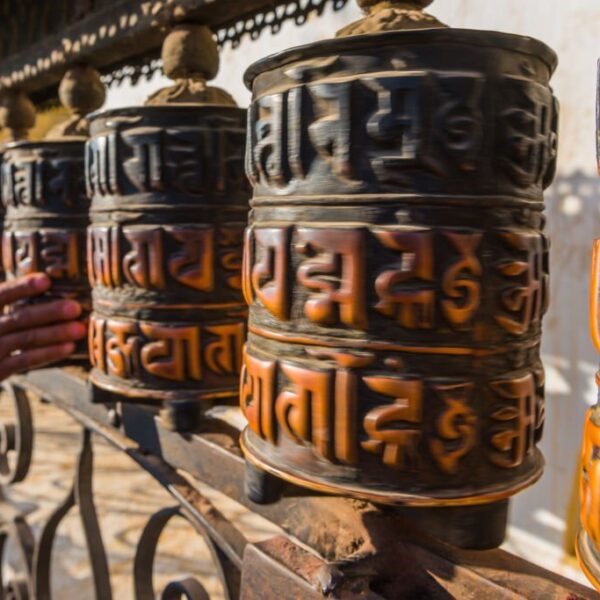
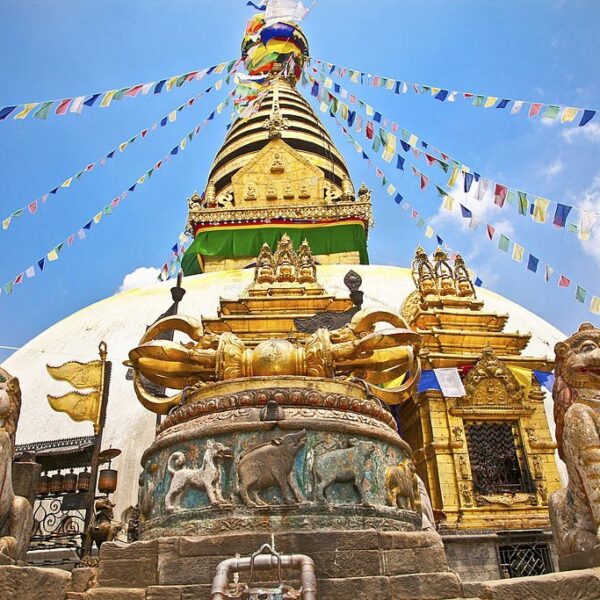
The architecture of Swyambhunath Temple is a stunning blend of traditional Nepalese and Tibetan styles. The main stupa, adorned with a gilded spire and the watchful eyes of the Buddha, is encircled by prayer wheels, shrines, and various intricate carvings. The 13-tiered spire represents the stages of enlightenment, while the all-seeing eyes symbolize the Buddha’s omniscience and compassion.
Spiritual Significance:
Swyambhunath holds immense spiritual significance for both Buddhists and Hindus. For Buddhists, it is one of the most important pilgrimage sites in the world, representing the journey towards enlightenment. Hindus revere the temple as well, considering it to be the abode of the goddess Saraswati. This unique amalgamation of faiths further highlights the temple’s role as a unifying force in Nepal’s diverse cultural landscape.
Monkeying Around:
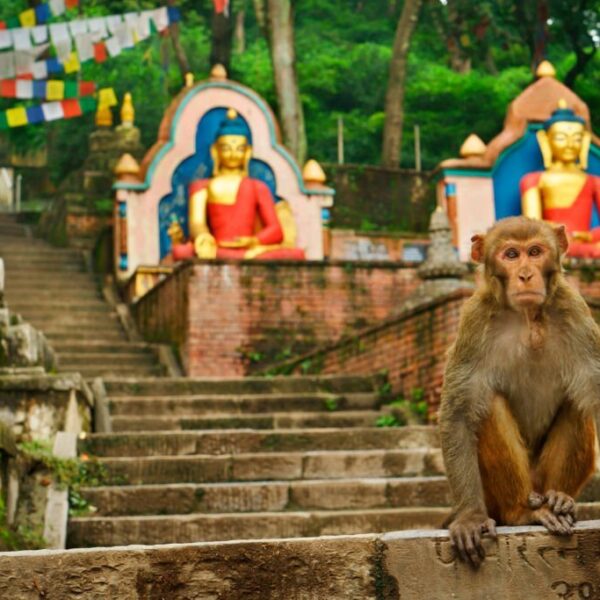
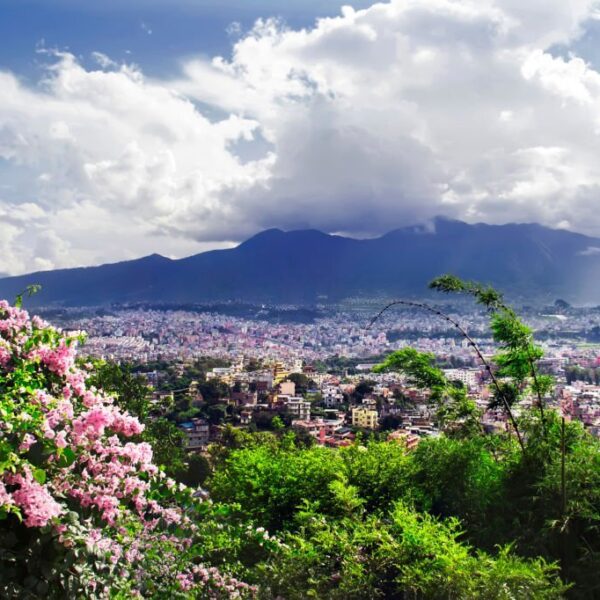
The lively population of monkeys inhabiting the surrounding area aptly earns the moniker “Monkey Temple” for this site. These playful and mischievous creatures have become an integral part of the temple’s identity, adding a touch of whimsy to the sacred atmosphere. While basking in the panoramic views of the Kathmandu Valley below, visitors often find entertainment in the antics of these primates.
Spiritual Practices and Rituals:
As a hub of spirituality, Swyambhunath Temple is a place of devotion and ritual. Pilgrims and visitors alike partake in circumambulation – the act of walking clockwise around the stupa – while spinning prayer wheels and reciting mantras. The soothing sounds of tinkling bells and the rhythmic hum of prayers create an ambiance that transports you to a state of serene contemplation.
Preservation Efforts and UNESCO Recognition:
In 1979, UNESCO designated Swyambhunath Temple a World Heritage Site, recognizing its cultural and historical importance.The preservation of this ancient monument is a joint effort by the local community, religious groups, and governmental authorities to ensure that its timeless beauty endures for generations to come.
Conclusion:
Swyambhunath Temple transcends its physical presence as a stupa; it is a symbol of Nepal’s rich heritage, a haven for spiritual seekers, and a beacon of unity. Its ancient whispers carry stories of devotion, history, and the unbreakable bond between humanity and the divine. Whether you’re an avid traveler or a curious soul, a visit to Swyambhunath Temple is an invitation to connect with the past, witness the present, and embrace the everlasting spiritual journey.
So, pack your sense of wonder and embark on a pilgrimage to Swyambhunath – where the past and present merge in a timeless dance of spirituality and reverence.

Comments