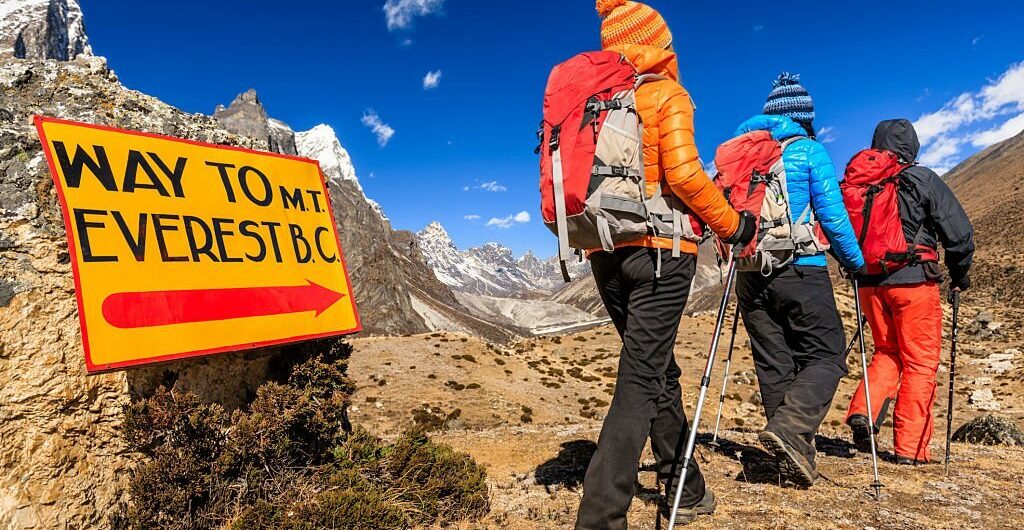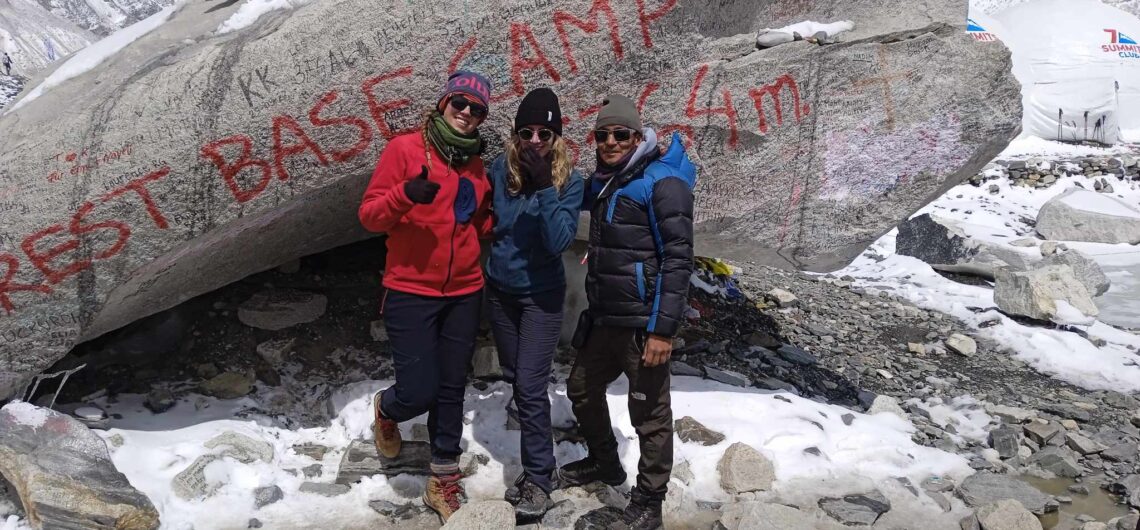
The Everest Base Camp (EBC) trek is one of the most iconic and rewarding trekking experiences in the world. Standing at the foot of Mount Everest, the highest peak on Earth, is a dream for many adventurers. Before you lace up your hiking boots, it's essential to prepare yourself both physically and mentally, and understand what the journey entails. Here’s everything you need to know before embarking on this life-changing trek: 1. Best Time to Trek The ideal time to trek to Everest Base Camp is during the pre-monsoon (spring) and post-monsoon (autumn) seasons. These months offer clear skies, stable weather, and great visibility of the mountains. Spring (March to May): The temperatures are warmer, and the rhododendron forests bloom beautifully along the trail. Autumn (September to November): After the monsoon rains, the skies are crisp and clear, providing stunning views of the Himalayas. While it’s possible to trek in winter (December to February) and during the monsoon (June to August), be prepared for colder weather, snow-covered trails, and reduced visibility. 2. Trek Duration and Route Options The standard trek to Everest Base Camp takes about 12-14 days, including acclimatization days. The journey typically begins with a flight from Kathmandu to Lukla, followed by trekking through villages like Namche Bazaar, Tengboche, Dingboche, and finally reaching Base Camp. Route Options: Standard EBC Route: Takes you to Base Camp and back via the same path. EBC with Gokyo Ri and Cho La Pass: A more challenging and scenic route that adds a trek to the Gokyo Lakes and crosses the Cho La Pass before joining the EBC trail 3. Physical Fitness and Training The Everest Base Camp trek is a moderate-to-challenging trek that requires good physical conditioning. While you don’t need technical climbing skills, you should be prepared for long days of
The Everest Base Camp (EBC) trek is one of the most iconic and rewarding trekking experiences in the world. Standing