
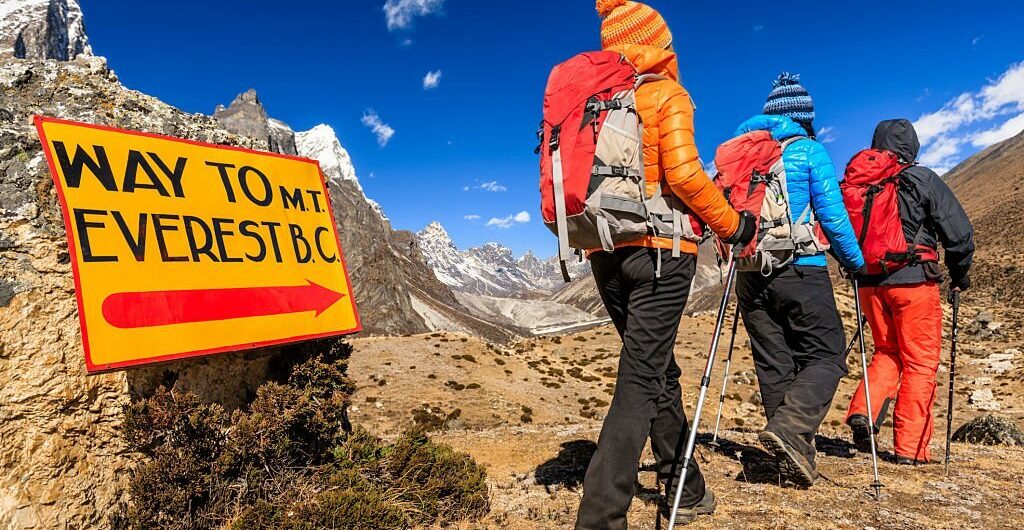
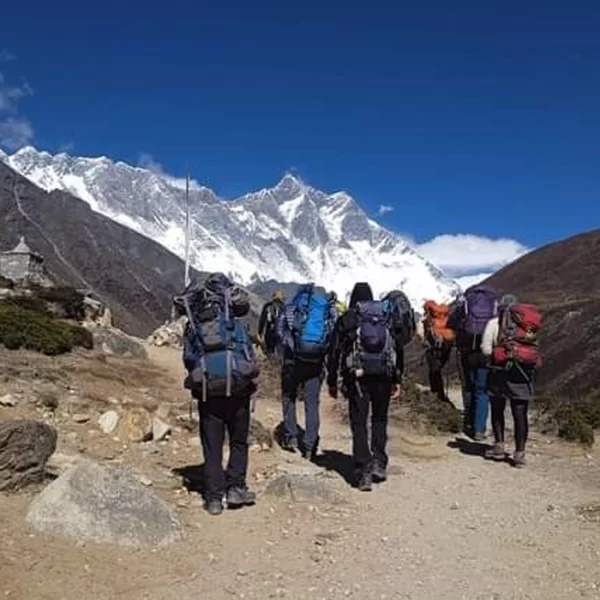
If you’ve ever dreamt of standing in the shadows of the world’s highest peak, Everest Base Camp (EBC) trekking is an adventure that should be on your bucket list. The trek is not just a journey through stunning landscapes but a transformative experience that challenges your limits and rewards you with a sense of achievement like no other. Here’s a comprehensive guide to help you prepare for this once-in-a-lifetime adventure.
Why Trek to Everest Base Camp?
The Everest Base Camp trek is one of the most iconic trekking routes in the world. Here are a few reasons why it stands out:
- Breathtaking Scenery: The trek offers unparalleled views of towering peaks, including Everest, Lhotse, and Nuptse. The landscape is a mix of lush forests, glacial rivers, and high-altitude deserts.
- Cultural Immersion: You’ll pass through Sherpa villages, monasteries, and markets, gaining insights into the local culture and way of life.
- Physical Challenge: The trek is a test of endurance and mental strength, making the accomplishment all the more rewarding.
- Spiritual Experience: Walking through the serene Himalayan terrain can be a meditative experience, offering a unique sense of peace and connection with nature.
Preparing for the Trek
Physical Preparation
Trekking to Everest Base Camp is demanding, requiring good physical fitness. Here’s how you can prepare:
- Cardiovascular Training: Engage in activities like running, cycling, and swimming to improve your stamina.
- Strength Training: Focus on leg strength with exercises such as squats, lunges, and step-ups. Core strength is also crucial for carrying a backpack.
- Hiking Practice: Regular hikes with a weighted backpack will help simulate trekking conditions and break in your hiking boots.
Gear and Packing List
Packing the right gear is essential for a successful trek. Here’s a basic list:
- Clothing: Layering is key. Pack thermal underwear, fleece jackets, down jackets, waterproof outer layers, and moisture-wicking base layers.
- Footwear: Sturdy, comfortable, and waterproof hiking boots are a must. Bring extra socks and gaiters.
- Accessories: Sunglasses, hats, gloves, and a buff or scarf are important for protection against the sun and cold.
- Trekking Poles: These can help reduce the strain on your knees and improve balance on uneven terrain.
- Backpack: A 40-50 liter backpack should suffice. Make sure it’s comfortable and has a rain cover.
- Sleeping Bag: A high-quality sleeping bag rated for -10°C (14°F) or lower is recommended.
- Miscellaneous: First aid kit, water purification tablets, headlamp, sunscreen, lip balm, and personal hygiene items.
Permits and Regulations
To trek to Everest Base Camp, you’ll need two main permits:
- Sagarmatha National Park Entry Permit: Obtainable in Kathmandu or Monjo.
- Trekkers’ Information Management System (TIMS) Card: This can be obtained through a registered trekking agency or at the Nepal Tourism Board office in Kathmandu.
The Trekking Route
The classic EBC trek typically spans 12-14 days, starting and ending in Lukla. Here’s a brief overview of the itinerary:
- Day 1: Fly to Lukla and trek to Phakding
- Day 2: Trek to Namche Bazaar – The gateway to the high Himalayas.
- Day 3: Acclimatization day in Namche Bazaar – Explore local markets and hike to nearby viewpoints.
- Day 4: Trek to Tengboche – Visit the famous Tengboche Monastery.
- Day 5: Trek to Dingboche
- Day 6: Acclimatization day in Dingboche
- Day 7: Trek to Lobuche
- Day 8: Trek to Gorak Shep and hike to Everest Base Camp – Experience the exhilarating view of the Khumbu Icefall.
- Day 9: Hike to Kala Patthar and trek back to Pheriche – Kala Patthar offers the best panoramic views of Everest.
- Day 10-12: Return trek to Lukla
Challenges and Tips
- Altitude Sickness: Acclimatization is crucial. Ascend slowly and take rest days as needed. Stay hydrated and avoid alcohol.
- Weather: Be prepared for rapidly changing weather conditions. The best trekking seasons are pre-monsoon (March to May) and post-monsoon (September to November).
- Hydration and Nutrition: Drink plenty of water and eat a balanced diet. Carry snacks like nuts, energy bars, and dried fruits.
Final Thoughts
Trekking to Everest Base Camp is more than just a trek; it’s an adventure that pushes your boundaries, offers a deep connection with nature, and leaves you with memories that last a lifetime. With the right preparation and mindset, you can successfully embark on this incredible journey and stand at the foot of the world’s highest peak.
Ready to lace up your boots and hit the trail? The Everest Base Camp trek awaits you with its majestic beauty and thrilling challenges. Happy trekking!

Comments