

Introduction
Nestled in the majestic Himalayas, Nepal offers some of the world’s most exhilarating and awe-inspiring peaks for mountaineers and adventurers. Among these is Mera Peak, a prominent mountain in the Khumbu region that stands tall at an elevation of 6,476 meters (21,247 feet). Scaling Mera Peak is a dream for many climbers, but it is not for the faint-hearted. In this blog, we will delve into the difficulties one may encounter while attempting to conquer the breathtaking summit of Mera Peak in Nepal.
Altitude and Acclimatization
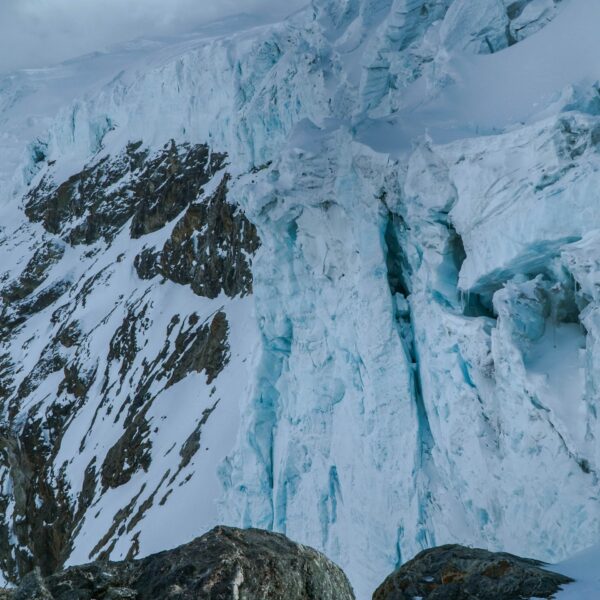
One of the primary challenges climbers face when ascending Mera Peak is the extreme altitude. As the altitude increases, the air becomes thinner, causing a decrease in oxygen levels. This can lead to altitude sickness, a potentially dangerous condition that affects climbers differently. Adequate acclimatization is crucial to ensure your body adjusts to the changing altitude gradually. Climbers often spend several days ascending through lower camps, allowing their bodies to acclimate and minimize the risk of altitude-related illnesses.
Technical Skills
Although Mera Peak is considered a trekking peak and does not require extensive technical climbing skills, some technical knowledge is still necessary. As you ascend towards the summit, you may encounter challenging terrain, including steep slopes, crevasses, and ice formations. Basic mountaineering skills such as the use of crampons, ice axes, and roped travel are essential for safety and progress. Familiarize yourself with these techniques and consider undergoing a comprehensive training program before attempting Mera Peak.
Weather Conditions
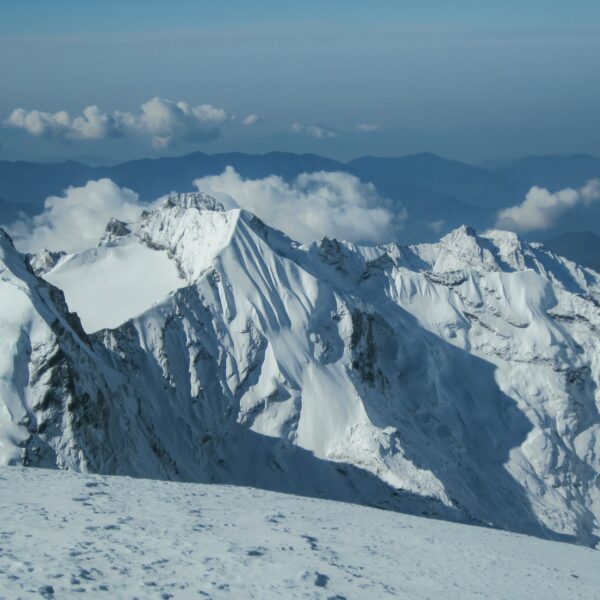
The Himalayan weather is notoriously unpredictable, and climbers on Mera Peak must be prepared to face extreme conditions. Harsh winds, blizzards, and sudden temperature drops are common at high altitudes. Climbing during the peak seasons, generally from March to May and October to November, offers better weather windows, but even then, unexpected changes can occur. Monitoring weather forecasts, being flexible with your schedule, and carrying appropriate clothing and equipment are crucial to tackle the ever-changing mountain weather.
Physical and Mental Endurance
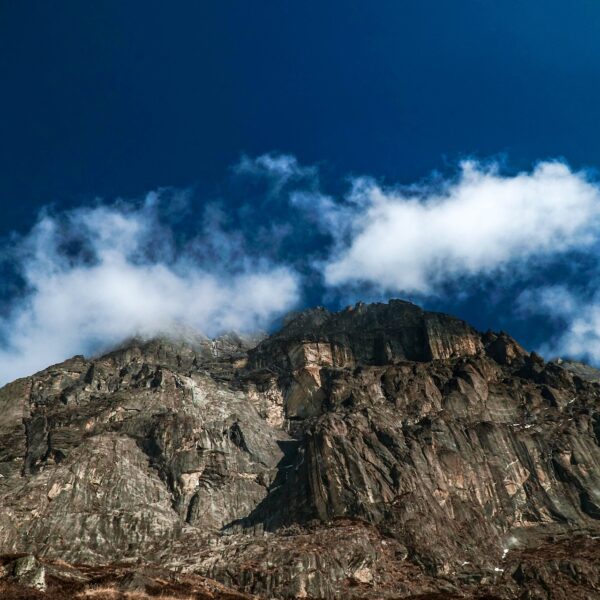
Ascending Mera Peak demands both physical and mental endurance. The climb involves long days of trekking through varied terrain, often in extreme conditions. Stamina, strength, and cardiovascular fitness are essential to cope with the rigorous demands of the climb. Regular training, including cardio exercises, strength training, and endurance workouts, can help prepare your body for the challenge. Mental resilience is equally important to overcome fatigue, cope with high altitudes, and stay focused on the summit goal.
Logistics and Expedition Planning
Successfully climbing Mera Peak requires careful logistics and expedition planning. Organizing permits, hiring experienced guides or Sherpas, arranging accommodations, and managing supplies are vital aspects to consider. Trekking agencies and experienced climbers can provide valuable assistance in organizing a safe and well-prepared expedition. It’s crucial to have a well-thought-out itinerary that accounts for acclimatization days, rest periods, and contingencies for any unforeseen circumstances.
Conclusion
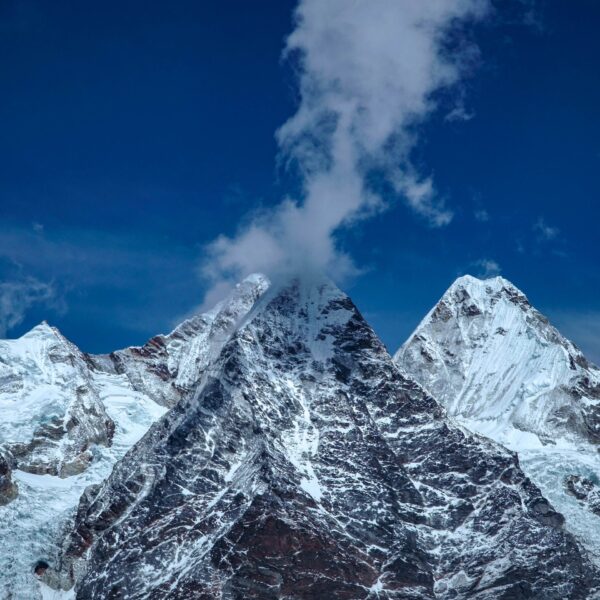
Scaling Mera Peak is undoubtedly a challenging feat, demanding physical strength, mental resilience, and proper preparation. However, the rewards are immeasurable. Standing atop Mera Peak offers breathtaking panoramic views of the Himalayas, including some of the world’s highest peaks. The journey tests your limits, teaches you valuable lessons about perseverance, and provides an unforgettable adventure that will stay with you forever. With thorough planning, proper training, and a determined mindset, the summit of Mera Peak is within reach for those who dare to take on the challenge.

Comments